
Agreement with Instituto de Fe y Libertad

Escuela Hispánica has begun working jointly with the Instituto Fe y Libertad on various initiatives aimed at the research and dissemination of Hispanic thought on liberty. In this context, we would like to announce the open call for submissions to the Institute's academic journal, whose next edition will be dedicated to topics related to Project 1776 and the influence of the Hispanic tradition on the development of modern political thought.
The initiative seeks to continue expanding the study of the Hispanic tradition and its influence on the development of modern political thought, while promoting new spaces for academic dialogue and international intellectual cooperation. We invite all those interested in contributing articles or research related to this topic to contact the Instituto Fe y Libertad for more information on the publication process.
"THE MARCH OF GÁLVEZ" - AUGUSTO FERRER-DALMAU
This painting represents General Bernardo de Gálvez leading his troops through a swamp during the American Revolutionary War campaign. Carrying both a Spanish and an American flag, Gálvez on horseback guides his men as they advance with difficulty through water and vegetation. Soldiers of different races, including Native Americans, participate in the march, reflecting the diversity and determination of the army fighting for freedom.
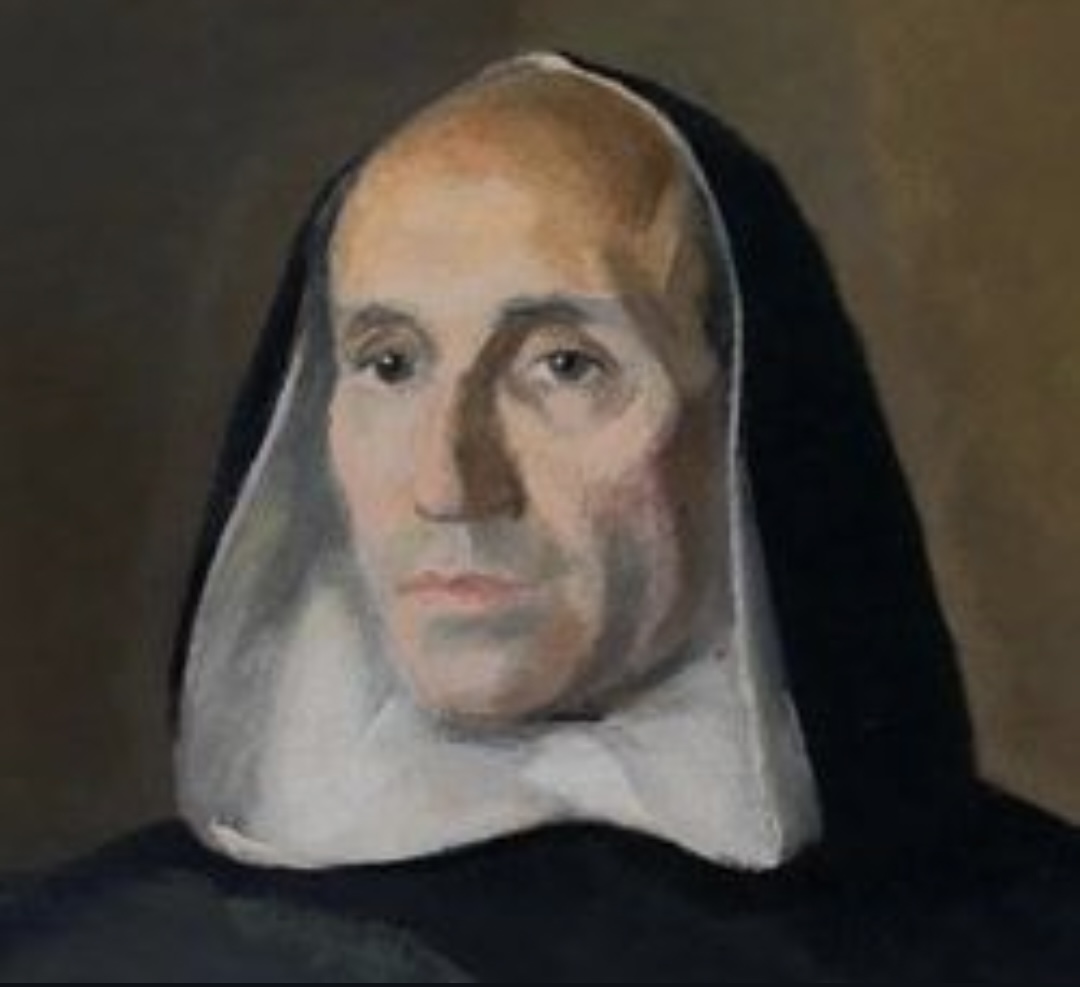
Francisco de Vitoria was born in Burgos around 1483 and died in Salamanca on August 12, 1546. He entered the Order of Preachers (Dominicans) and was intellectually trained at the University of Paris, the main European theological center of his time, where he studied Thomas Aquinas in depth. Upon his return to Spain he was appointed Professor of Theology at the University of Salamanca, from where he promoted an intellectual renewal that would mark European thought for centuries and would give rise to the so-called Second Scholasticism.
The historical context of his work was decisive: the discovery of America posed a radically new problem to Europe for the first time. What legitimacy did a Christian power have to dominate non-Christian peoples? The medieval tradition did not offer clear answers for a truly global reality. Vitoria turned this practical question into a universal philosophical problem.
His teachings are preserved in the Relectiones, academic lectures given between 1537 and 1540 and published posthumously, among which De Indis (1539) and De iure belli (1539) stand out. In them he rejects two dominant ideas of his time: the universal authority of the Pope over all humanity and the automatic right of conquest through religious or cultural superiority. No nation, he maintains, can legitimately appropriate the political dominion of another simply because it is pagan or less civilized.
His argument is based on a revolutionary premise for the 16th century: all human beings share the same rational nature and, therefore, possess natural political rights. The indigenous American peoples have legitimate sovereignty over their territories, their laws and their rulers. Religious conversion cannot be imposed by force, and war can only be justified under strict criteria of justice.
With this, Vitoria transformed moral theology into universal political theory. The political community is not born of power, but of human sociability. Power is legitimate only if it protects the common good and respects a prior moral order. Thus the notion of modern ius gentium arises: there is a law of nations prior to any empire.
This idea inaugurates contemporary international law. Relations between peoples are not based on religious or imperial hierarchies, but on common norms derived from natural reason: freedom of trade, the right of communication between peoples, protection of innocents in war and limits on the use of force. War ceases to be a normal instrument of political expansion and becomes an exceptional resource subject to legal conditions.
The philosophical scope is profound. Vitoria introduces the notion of rights prior to the State: political authority does not create human dignity, it recognizes it. Power is subordinated to justice. This principle, first applied to the relationship between empires and indigenous peoples, will end up influencing the modern idea of human rights and the conditional legitimacy of government.
In this way, Francisco de Vitoria establishes the remote foundation of constitutionalism: if there are rights prior to power, the government must be limited by higher norms. Politics stops being mere domination and becomes a legal order. His thought opens the way towards a universalist conception of the human community, where no authority can claim absolute legitimacy without reference to natural law.
Founder of modern international law; defended the natural rights of indigenous people and sovereignty based on reason.
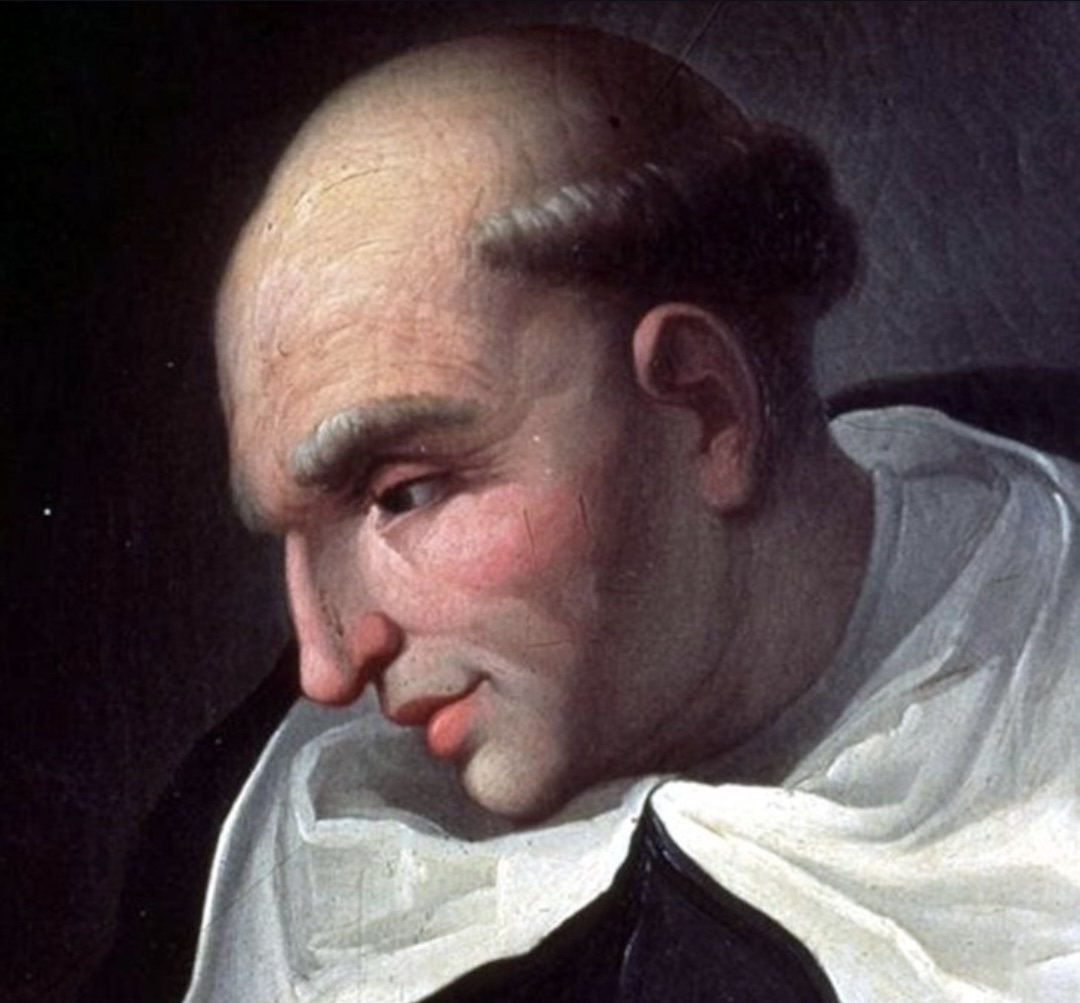
Bartolomé de las Casas was born in Seville in 1484, the son of a merchant who had participated in Columbus’s second voyage. He came to America as a young man and received encomiendas, but his direct experience with the colonial system led him to a profound moral conversion. He entered the Dominican order and dedicated his life to the legal defense of indigenous people.
His activity was both intellectual and political: he participated in imperial debates, influenced legislation, and was a protagonist in the famous Valladolid controversy (1550–1551). He was not simply a humanitarian; He developed a complete legal theory.
In the Apologetics summary history and other writings he maintains that indigenous peoples possess full political reason. They have cities, laws and legitimate authority. Therefore, no war of conquest is just without real prior aggression.
Las Casas goes beyond Vitoria: he affirms that evangelization does not grant political dominance. Conversion must be free and civil power remains in the hands of the people.
His doctrine introduces universal legal equality as an operating principle. This is not just about spiritual dignity: it involves institutional consequences, including local self-government and limits on imperial authority.
He died in Madrid in 1566. His thoughts influenced Indian legislation and later European debates on human rights and colonization.
Proposed universal legal equality and argued that civil power belongs to the people, regardless of their religion.
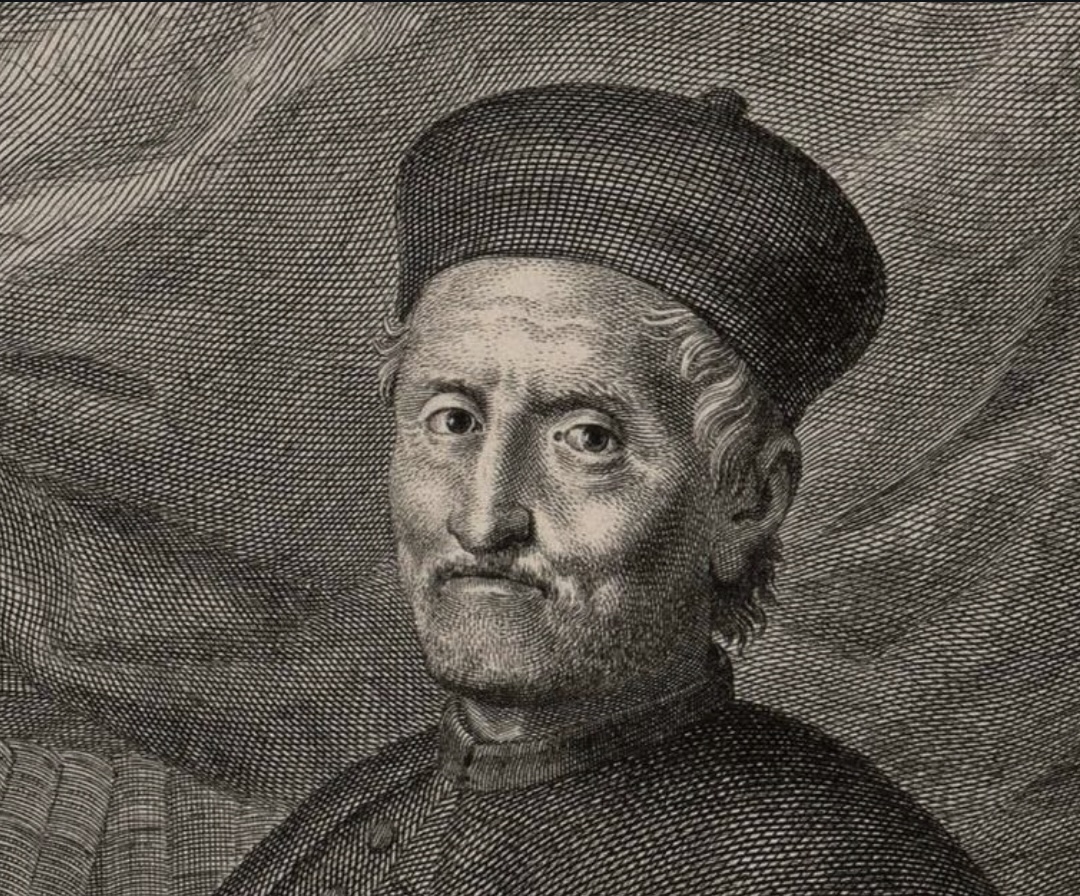
Martín de Azpilcueta was born in Barásoain (Navarra) in 1492, the same year of the discovery of America, and died in Rome on June 21, 1586. A canon and theologian trained in Alcalá and Toulouse, he developed most of his academic career as a professor at the universities of Salamanca and Coimbra, becoming one of the most influential legal figures of the European Renaissance. He was known in his time as Doctor Navarrus, a name under which his works were widely circulated throughout Europe.
Although he wrote numerous treatises on canon and moral law—among them the influential Manual of Confessors and Penitents (1553)—his decisive contribution to the history of economic thought can be found in the Resolutory Commentary on Changes (1556). This short text, initially written to provide moral guidance to merchants and bankers, contains a revolutionary intuition: the value of money depends on its relative abundance or scarcity in society.
Azpilcueta empirically observed a new phenomenon in 16th century Castile: the massive arrival of American silver had not really enriched the population, but rather had raised prices across the board. That is, money had lost purchasing power. From this observation he concluded that the currency is not valid by decree of the sovereign or by its materiality, but by its relationship with the available goods and with social demand.
This was the first clear formulation of the quantity theory of money: when the quantity of currency increases, its value decreases.
The philosophical scope of this idea is enormous. Until then, currency was conceived mainly as a legal instrument of political power; Azpilcueta turns it into a social phenomenon. Money comes to be understood as an institution that emerges from human relationships, not as a sovereign creation capable of generating wealth by itself.
A moral consequence derives from this premise: if altering the quantity of money reduces its value, then monetary manipulation unfairly harms citizens. Inflation is equivalent to a non-consensual transfer of wealth. Therefore, authority cannot enrich itself through devaluations without violating distributive justice. Monetary policy is subject to the moral law.
Azpilcueta thus introduces an idea that centuries later will be central to modern political philosophy: power cannot indirectly appropriate private property through invisible technical mechanisms. Wealth is not created by decree; it can only arise from work, exchange and production. The State does not control the economic value, but must respect a prior order.
His thinking anticipates later debates about fiat money, inflation as a hidden tax, and constitutional limits on fiscal power. In the Anglo-Saxon world these issues would later appear linked to the protection of property and distrust of monetary manipulation by political authority.
In this way, Azpilcueta not only inaugurates modern monetary theory, but also introduces an ethical dimension to economics: monetary stability is a question of justice. The economic order, like the political one, cannot be based on the arbitrariness of power but on general rules respectful of human freedom. His reflection turns currency into a moral phenomenon rather than an administrative one, thus preparing one of the conceptual pillars of later economic thought.
First formulated the quantity theory of money, linking its value to scarcity and criticizing monetary manipulation.
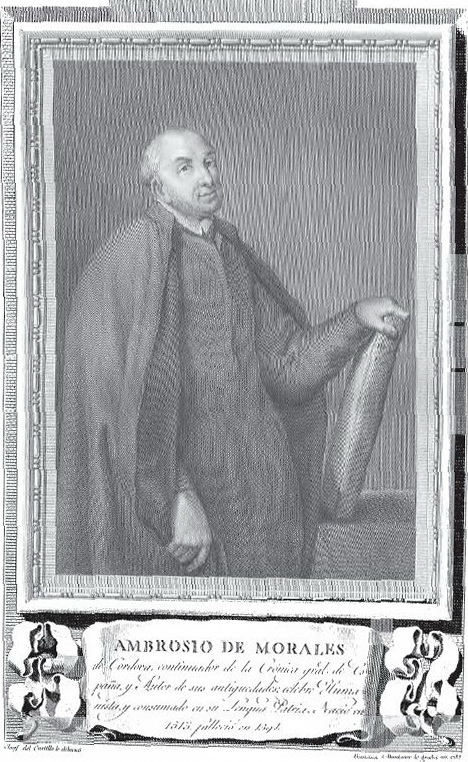
Humanist, historian and royal chronicler, Ambrosio de Morales was born in Córdoba in 1513 and died there on 21 September 1591. He investigated the past through documents, inscriptions and material remains. His work belongs to sixteenth-century Hispanic humanism and the renewal of historical methods.
His attention to institutions and historical experience found readers beyond Iberia. Marchamont Nedham invokes him alongside Juan de Mariana in The Excellencie of a Free-State (1656), when discussing the distribution of power. John Adams reproduces that passage in his Defence (1787–1788), preserving a Hispanic reference within Anglo-American constitutional debate.
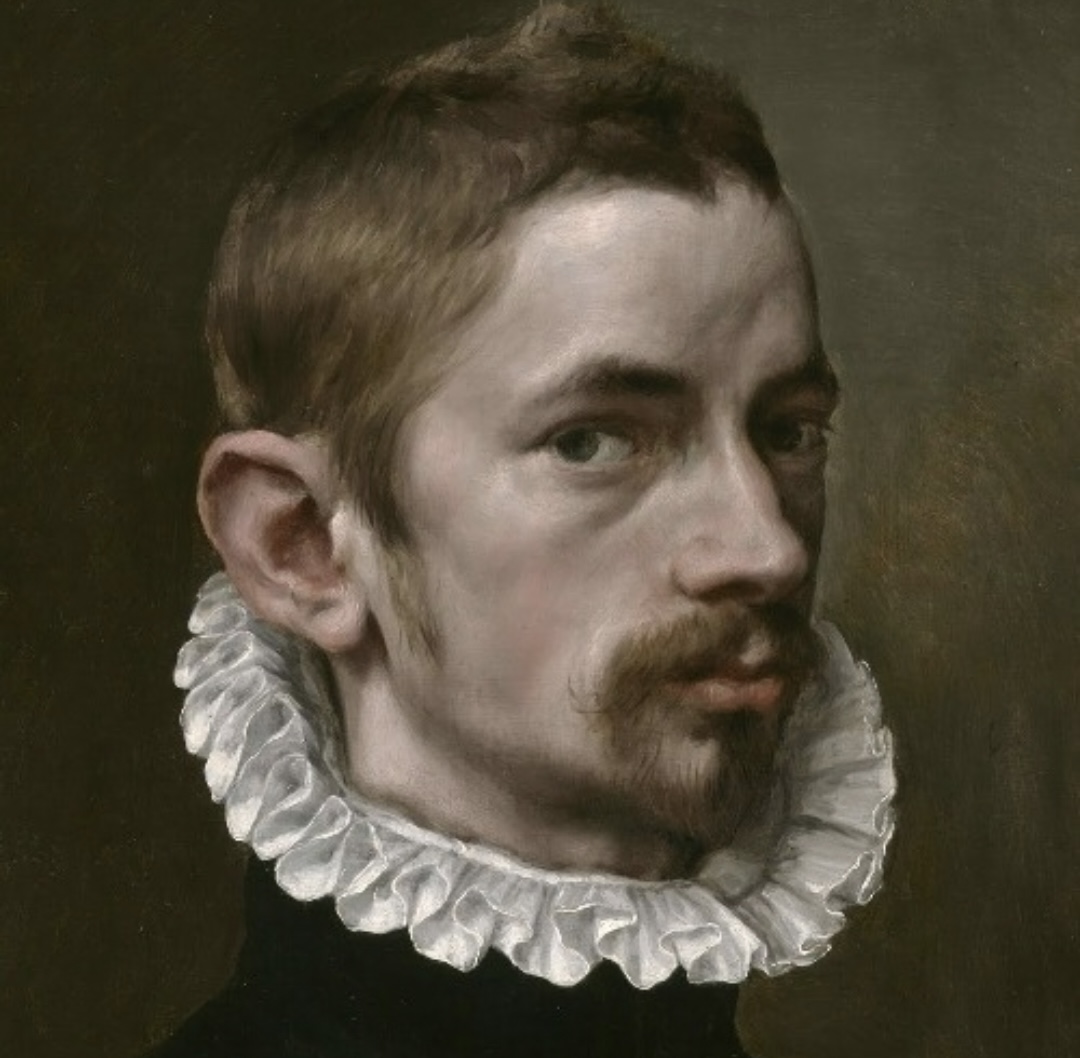
Tomás de Mercado (c. 1525–1575) was a Dominican whose education and work spanned New Spain and Seville. He died in 1575 during the return voyage to New Spain, off Veracruz.
In Suma de tratos y contratos (1569; expanded edition 1571), he examined commerce, exchange, loans and justice in transactions. His moral theology considers just price, usury, fraud and contractual obligations; it does not simply equate economic justice with the absence of regulation.
Analysed contracts, money and Atlantic commerce within moral theology.
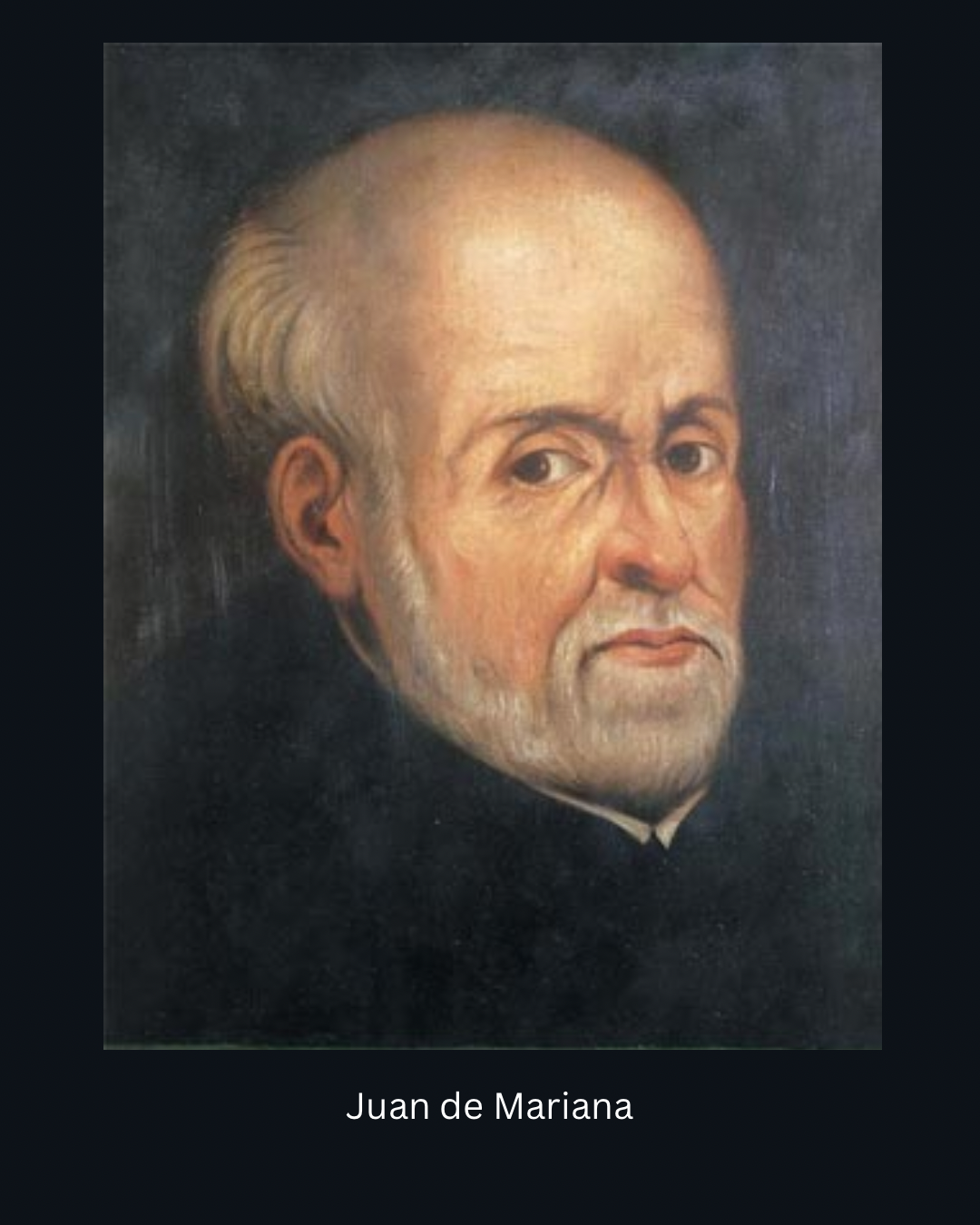
Juan de Mariana was born in Talavera de la Reina (Crown of Castile) on April 2, 1536 and died in Toledo on February 17, 1624. He entered the Company of Jesus at a very young age and was trained in Alcalá de Henares and Rome. During his youth he taught theology at the Roman College and at the Sorbonne in Paris, a decisive experience because it put him in direct contact with the French religious wars, the problem of tyrannicide, and European debates on political legitimacy. Upon his definitive return to Spain he settled in Toledo, where he wrote most of his historical, economic and political work.
Although he was an extremely prolific author—his Historiae de rebus Hispaniae (1592) was for centuries the official history of Spain—his philosophical relevance is concentrated in three fields: theory of political power, right of resistance, and monetary criticism.
His most influential work, De Rege et Regis Institutione (1599), constitutes one of the most radical texts of European political philosophy before the Enlightenment. In it Mariana develops a complete theory of political legitimacy based on natural law. It states that power belongs neither to the king by nature nor by direct divine right, but originally to the political community, which delegates it to the ruler for the common good. The monarch is therefore a fiduciary magistrate, not an owner of the State.
From this premise he derives his most famous thesis: if the ruler violates natural law—oppresses freedom, confiscates property, or rules arbitrarily—he becomes a tyrant and can be deposed. In certain extreme circumstances, it even justifies tyrannicide. This is not a defense of indiscriminate political violence, but rather a logical consequence: if authority derives from the people, it loses legitimacy when it destroys the moral order it was supposed to protect.
Mariana also formulates a surprisingly modern tax theory: taxes require consent. Taxation without social approval is morally equivalent to expropriation. This idea directly anticipates the later constitutional principle of political representation.
Even more novel was his financial contribution. In De Monetae Mutatione (1609) he criticized the Crown’s manipulation of currency—the reduction of the metallic content of coins—as a form of covert theft. He argued that the inflation generated by the authority is an illegitimate tax because it reduces purchasing power without the consent of citizens. Here appears for the first time a moral formulation of the modern monetary problem: political power cannot indirectly appropriate private property through devaluation.
These theses cost him a legal process for lese majeste in 1609–1610. He was arrested, interrogated by the Inquisition and his work was banned and burned in Paris in 1610 following the assassination of Henry IV, which some attributed to the spread of his ideas about tyranny. Although he was not ultimately convicted, the episode reveals the extent to which his theories were perceived as politically explosive in absolutist Europe.
The historical importance of Mariana lies in the fact that it connects three planes that until then had remained partially separated: moral theology, public law and economics. For him, political freedom does not depend only on the form of government, but also on respect for property, a healthy currency and fiscal consent. The State is thus subordinated to a prior moral order.
His ideas circulated widely in England during the 17th century, amidst the polemics against absolutism, and many of his arguments later reappeared in Locke: popular sovereignty, the right of resistance, the protective function of government, and the centrality of property. Indirectly, these principles passed into American constitutionalism. It is no coincidence that John Adams owned a copy of De Rege and that Jefferson knew his work.
Mariana thus represents one of the culminating points of the Second Scholasticism: a thought that, starting from Thomism, manages to formulate a fully modern theory of limited power. In his philosophy, the State ceases to be an almost natural reality and becomes a morally conditioned institution. His conclusion can be summarized in a simple but revolutionary idea for its time: political power exists to protect human freedom and loses legitimacy when it stops doing so.
Affirmed that power resides in the community; criticized inflation as theft and justified the deposition of the tyrant.
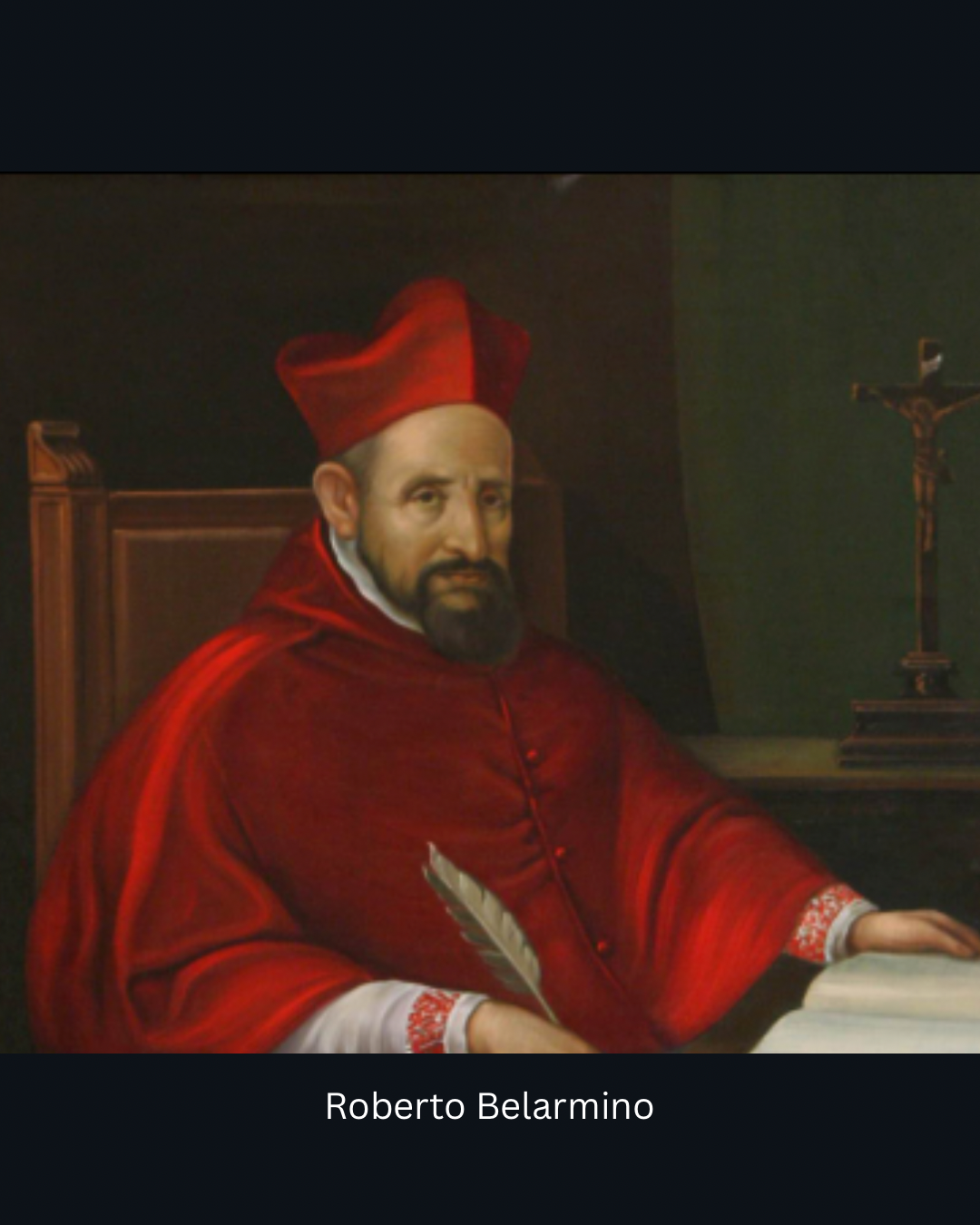
Roberto Francisco Rómulo Belarmino was born in Montepulciano (Grand Duchy of Tuscany) on October 4, 1542 and died in Rome on September 17, 1621. He entered the Society of Jesus at a very young age and was trained in Rome, Padua and Leuven, soon becoming one of the great theologians of the Counter-Reformation. He was a professor at the Roman College, cardinal since 1599 and doctrinal advisor to the papacy in an era marked by the European religious wars, the crisis of authority after the Protestant Reformation and the rise of absolute monarchies.
Although his historical fame is often linked to the controversy with Protestantism—his monumental Disputationes de Controversiis Christianae Fidei (1586–1593) was the most influential theological treatise of modern Catholicism—his philosophical-political importance is equally profound. In works such as De Laicis (1610), De potestate summi pontificis in rebus temporalibus (1610), and in several previous political texts integrated into the Controversies, Bellarmine formulated a theory of civil power that transformed the European debate on sovereignty.
Its central thesis is based on a key distinction: political power comes from God in terms of its moral origin—because human sociability is part of nature—but is not granted directly to any specific ruler. It resides first in the political community, which decides the form of government and delegates authority. The king, therefore, does not rule by personal divine right, but through the mediation of the people.
This position frontally attacked the doctrine of the divine right of kings defended by English and French absolutist theorists. Against the idea that the monarch is the immediate vicar of God, Bellarmine maintains that the ruler is a derived authority: the political community is the immediate subject of power and the prince its administrator.
From this premise it introduces a decisive consequence: if authority comes from the consent of the community, it can be modified when it no longer fulfills its purpose—the common good. He does not develop the direct defense of tyrannicide as Mariana will do, but he establishes the legal basis of later constitutionalism: political authority is conditional.
His thinking had an enormous impact precisely among his adversaries. The Anglican Robert Filmer wrote Patriarcha (published in 1680) to refute him, and in doing so spread his ideas in England. The historical paradox is that, by attacking Bellarmine, he introduced his theory of popular sovereignty into the English political debate that would lead to the Glorious Revolution and Locke.
Belarmino also contributed a structural reflection on the forms of government. He considered that no pure system—monarchy, aristocracy, or democracy—was perfect, and defended a mixed constitution capable of balancing stability and freedom. This idea anticipates the model of combined government that will characterize modern constitutionalism and that will later appear in British and American political thought.
His influence was particularly important in the Iberian scholastic tradition: Suárez systematized his theory, and Mariana radicalized its consequences. In this way, Bellarmine occupies a decisive intermediate position: he translates medieval Thomism into modern political language and provides the conceptual basis that will allow us to think of power as representation and not as property.
Ultimately, his philosophical contribution consists of having definitively separated political legitimacy and absolutism. For Bellarmine, authority is not a sacred force inherent to the ruler, but rather a moral function delegated by the community to preserve justice. With this he contributed to the intellectual transition that would lead from medieval political theology to contemporary constitutionalism: power is legitimate only as long as it remains ordered to the common good and sustained by the consent of those who obey it.
Held that civil authority is mediate and derived from popular consent, influencing constitutionalism.
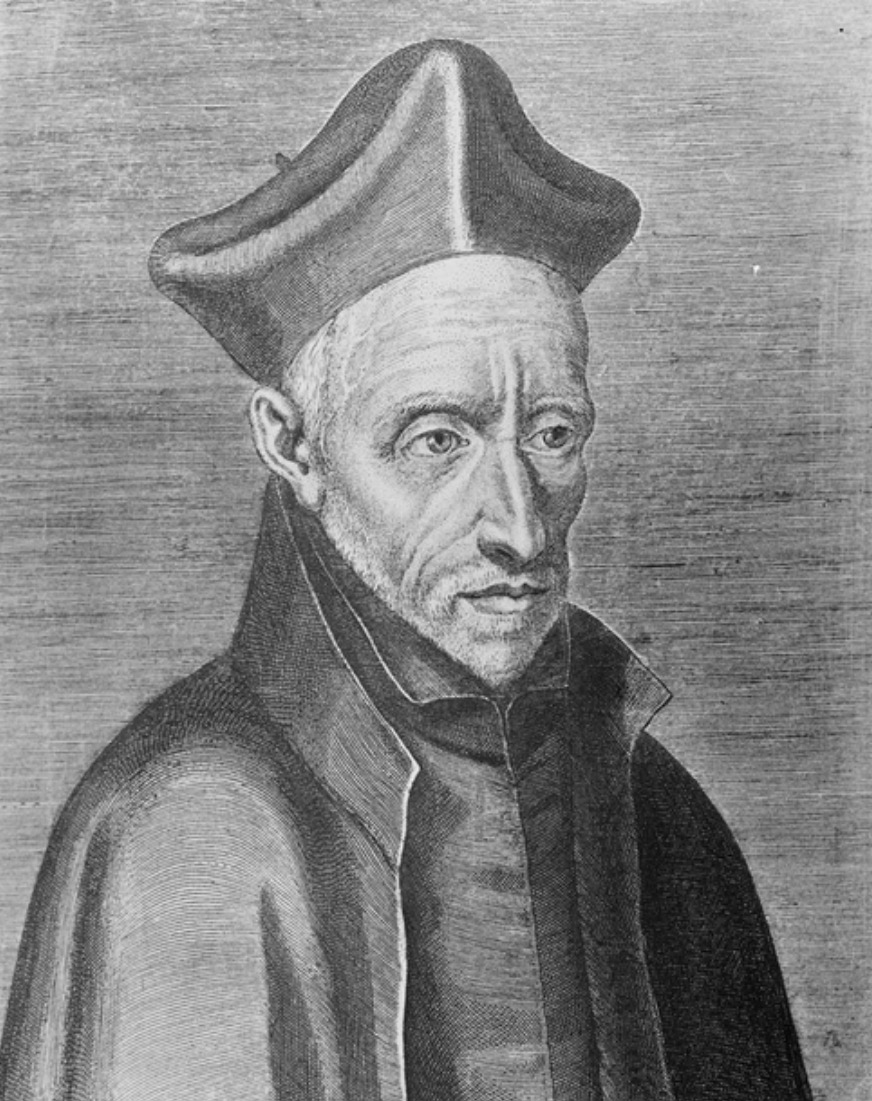
Francisco Suárez was born in Granada on January 5, 1548 and died in Lisbon on September 25, 1617. A Jesuit, professor in Salamanca, Rome, Alcalá, Coimbra and Évora, he was one of the greatest systematic philosophers of the Modern Age and probably the last great scholastic metaphysician with direct influence on European politics. His work encompasses metaphysics, moral theology, and legal philosophy, but his political impact was especially concentrated in Defensio Fidei Catholicae adversus Anglicanae sectae errors (1613).
The Defensio Fidei was written in a very specific context: the English political-religious crisis after the Anglican Reformation. King James I of England had imposed the Oath of Allegiance (1606), which required the denial of any supratemporal authority over the monarch and consolidated a doctrine of absolute divine right of the king. Suárez’s work sought to refute that position, but his response ended up having much broader consequences than mere confessional controversy.
Suárez precisely formulated a revolutionary thesis: political power comes from God as the ultimate foundation of the moral order, but it is not delivered directly to the king, but first to the political community, which delegates it to the ruler through consent. The king is not the owner of power; He is your administrator. Therefore, civil authority is essentially fiduciary.
This doctrine implied three decisive consequences:
The origin of power is social, not personal.
The ruler is limited by the common good and natural law.
A community can resist the tyrant if he destroys the legal order.
James I immediately understood the political significance of the work. In 1614 he ordered the public burning of the Defensio Fideien London and Oxford. The text was considered not only theologically dangerous but also constitutionally subversive: it denied the intellectual basis of English absolutism at a time of growing tensions between Crown and Parliament.
Paradoxically, the English condemnation favored its dissemination. European universities—including those in the Protestant sphere—debated the Suarezian thesis, and its arguments indirectly passed into the British political vocabulary. In the following decades, during the controversies of the 17th century (English Civil War, Commonwealth, and Glorious Revolution), the central question would no longer be whether power comes from God—that was accepted—but rather who it immediately belongs to: the king or the people.
In that sense, Suárez did not influence England as a massively read author, but as an inevitable political problem. The defenders of absolutism had to refute him; The constitutionalists ended up assuming its conceptual structure: mediate popular sovereignty, limited government and delegated power. The Anglo-Saxon political philosophy of consent—which will culminate in Locke—develops within that previously defined polemical framework.
Thus, Suárez’s contribution was not simply theological. By transferring sovereignty from the person of the monarch to the political community, he provided the conceptual architecture on which modern theories of constitutionalism would be built: power as a revocable trust and subordinate to a higher legal order.
Systematized the theory of delegated power: sovereignty resides in the people and the ruler is a fiduciary administrator.
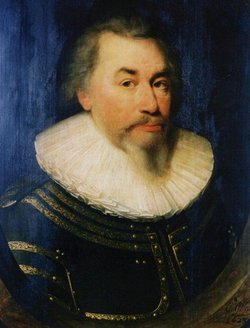
Refutation
English royalist Robert Filmer made the rejection of natural liberty central to his defence of kingship. Patriarcha, published posthumously in 1680, derives political authority from Adam’s paternal power and challenges the claim that originally free people must consent to government.
In chapter I, Filmer explicitly discusses Bellarmine and Suárez on authority originally belonging to the community. His opponents thus become interlocutors whose arguments he preserves while attacking them. Locke and Sidney subsequently respond to Filmer, extending this controversy into a different political and religious setting.
Works and references
Robert Filmer, Patriarcha; or, The Natural Power of Kings (1680), I, §§1–2, 5. John Locke, Two Treatises of Government, I, §§6–7.
Textual reception
An English publicist of the Civil Wars and Commonwealth, Nedham examined how a free state could prevent its rulers from turning public office into permanent domination. The Excellencie of a Free-State (1656) discusses the distinction between making laws and executing them.
Nedham invokes Ambrosio de Morales and explicitly refers to Juan de Mariana when describing historical limits on Spanish royal power. John Adams later reproduces this passage in his discussion of Nedham. The sequence Morales and Mariana → Nedham → Adams provides a concrete textual route from Hispanic historical writing through English republicanism to American constitutional debate.
Works and references
Marchamont Nedham, The Excellencie of a Free-State (1656), pp. 218–220; The Founders’ Constitution, I, ch. 10, document 2. John Adams, Works, VI, p. 175.
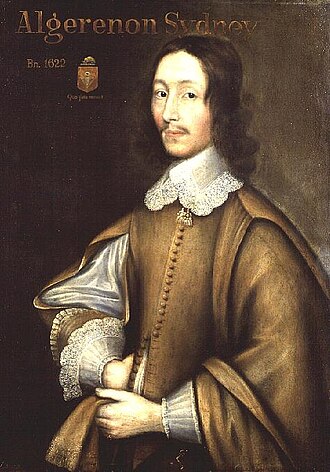
Debate and reception
English republican Algernon Sidney defended political authority as an institution justified by the good of the governed. His Discourses Concerning Government, published posthumously in 1698, offers an extensive response to Robert Filmer’s patriarchal theory.
In II, §5, Sidney explicitly mentions Suárez and Bellarmine before developing his own account of free people forming a society and establishing common laws. This is a textual encounter across different confessional and political traditions. Jefferson’s letter to Henry Lee of 8 May 1825 names Sidney among the authorities associated with the intellectual horizon of the Declaration.
Works and references
Algernon Sidney, Discourses Concerning Government (1698), II, §5; Thomas G. West (ed.), Liberty Fund (1996). Thomas Jefferson → Henry Lee, 8 May 1825.
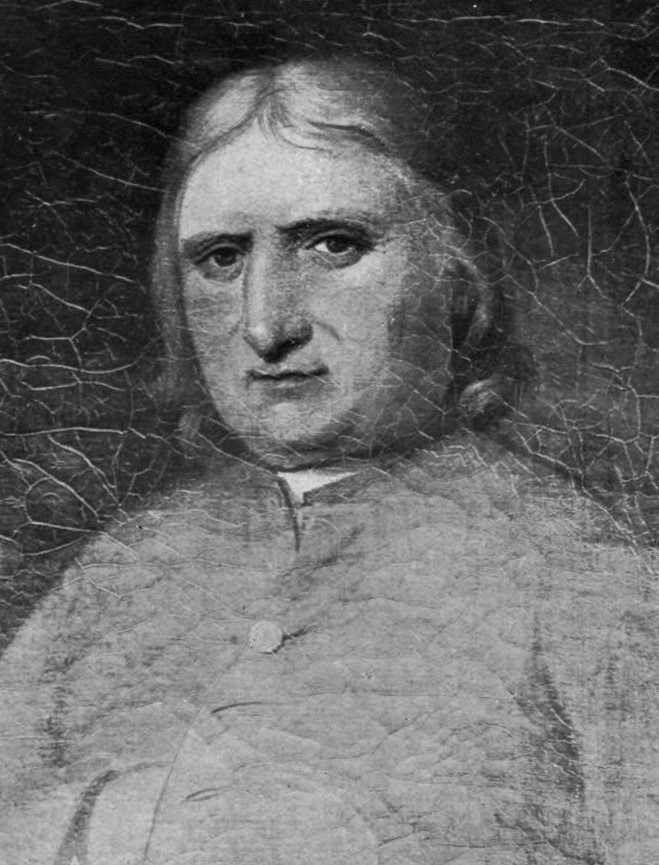
Affinity · freedom of conscience
English preacher George Fox helped found the Quaker movement. His journeys, letters and communities formed an Atlantic network centred on inward religious experience and consistency between faith and conduct. His 1656 letter from Launceston urges ministers to address all nations and recognise the presence of God in each person.
The comparison with Bartolomé de las Casas concerns persuasion, conscience and human dignity. Las Casas’s account of persuasive evangelisation and Fox’s appeal to conscience offer different Christian responses to coercion in matters of faith. The connection presented here is an affinity of questions and commitments.
Works and references
George Fox, Launceston (1656), Quaker Faith & Practice, §19.32; Journal (1694). Bartolomé de las Casas, De unico vocationis modo.
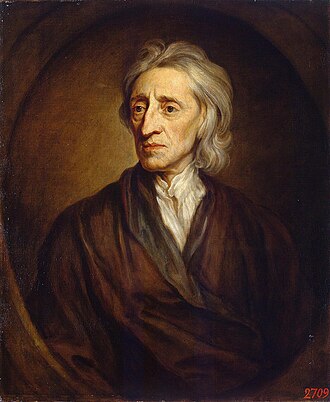
Controversy mediated by Filmer
English philosopher John Locke connected questions of knowledge, toleration and legitimate government with the conflicts of seventeenth-century England. His Two Treatises of Government appeared in 1689 with a 1690 imprint: the first attacks patriarchalism; the second develops an account of civil government.
In the First Treatise, §§6–7, Locke examines Filmer’s treatment of Bellarmine and challenges its supposed proof of absolute paternal authority. The Second Treatise develops consent, rights and limited government within Locke’s own philosophy. Jefferson names Locke among his authorities in the letter to Henry Lee of 1825.
Works and references
John Locke, Two Treatises of Government (1689–1690), I, §§6–7; II, §§95–99. Thomas Jefferson → Henry Lee, 8 May 1825.
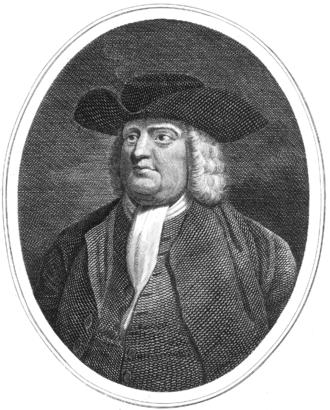
Affinity · religious liberty
Quaker thinker and founder of Pennsylvania, William Penn brought the problem of freedom of conscience into the organisation of an American political community. Religious persecution in England informed his defence of toleration and guarantees against confessional coercion.
The Great Case of Liberty of Conscience (1670), Pennsylvania’s Frame of Government (1682) and the Charter of Privileges (1701) mark this intellectual and institutional trajectory. Comparison with Las Casas centres on freely embraced faith and personal dignity: distinct formulations in Hispanic discussions of evangelisation and Quaker constitutional arrangements.
Works and references
William Penn, The Great Case of Liberty of Conscience (1670); Frame of Government of Pennsylvania (1682); Charter of Privileges (1701). Quakers in the World, “Freedom of Conscience” (Penn, 1669).
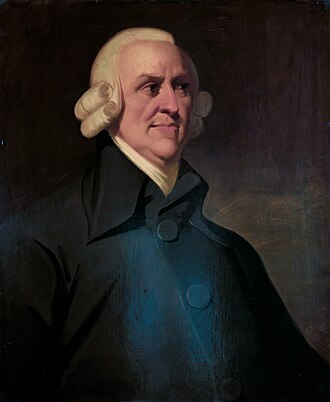
Affinity · exchange and justice
Scottish moral philosopher Adam Smith studied sociability, moral judgement and commercial institutions. The Theory of Moral Sentiments (1759) and The Wealth of Nations (1776) place justice and exchange within a broader account of social life.
Comparison with Tomás de Mercado concerns price formation, legitimate exchange and the obligations limiting self-interest. Mercado approaches these through the moral theology of contracts; Smith through Scottish Enlightenment moral philosophy and political economy. Smith’s emphasis on justice as indispensable to society supplies a shared question through which their different answers can be explored.
Works and references
Adam Smith, The Theory of Moral Sentiments (1759), II.ii.3; The Wealth of Nations (1776), I, IV–VII. Tomás de Mercado, Suma de tratos y contratos (1571).
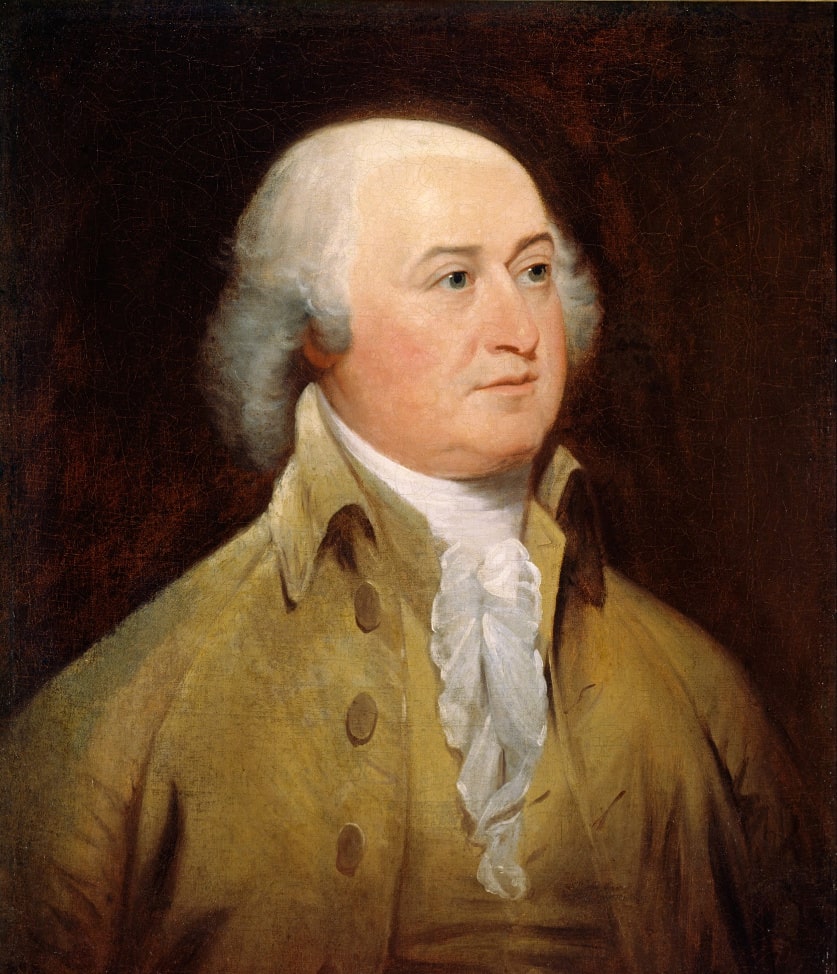
Reception through Nedham
Jurist, diplomat and second president of the United States, John Adams compared historical constitutions to examine the distribution and balance of power in A Defence of the Constitutions of Government of the United States of America (1787–1788).
In his treatment of Nedham, Adams reproduces the passage invoking Ambrosio de Morales and Juan de Mariana (Works, VI, p. 175). A distinct material trace complements this textual reception: the Boston Public Library’s John Adams collection holds a 1611 edition of Mariana’s De rege et regis institutione. Together they illuminate the book’s transatlantic circulation.
Works and references
John Adams, A Defence of the Constitutions of Government of the United States of America (1787–1788); Charles Francis Adams (ed.), The Works of John Adams, VI (1851), p. 175. Juan de Mariana, De rege et regis institutione (1611), John Adams Library, Boston Public Library.
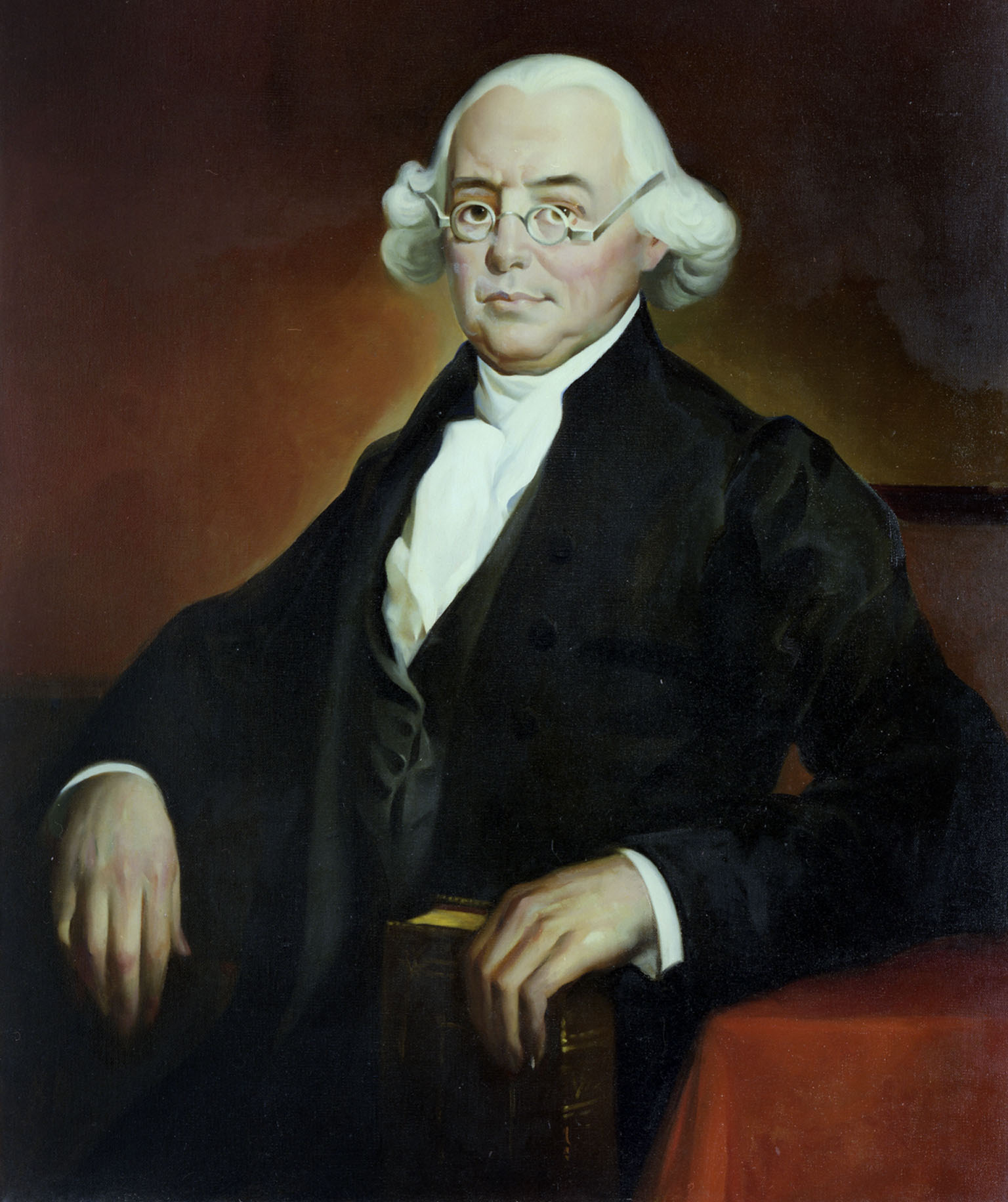
Affinity · consent and natural law
Born in Scotland and established in America, jurist James Wilson signed the Declaration of Independence and participated in framing the federal Constitution. His Lectures on Law examine legal obligation and the authority of the people.
Wilson rejects the assumption that a ruler’s superiority alone provides a title to command. Political legitimacy requires freedom and consent. Reading him alongside Suárez brings a shared question into view: how can free persons constitute binding political authority? Each answers within his own framework of natural law; Wilson’s discussion belongs to American constitutional institution-building.
Works and references
James Wilson, Lectures on Law, I, II, “Of the General Principles of Law and Obligation”; Kermit L. Hall & Mark David Hall (eds.), Collected Works of James Wilson, Liberty Fund (2007), I. Francisco Suárez, De legibus (1612), III.
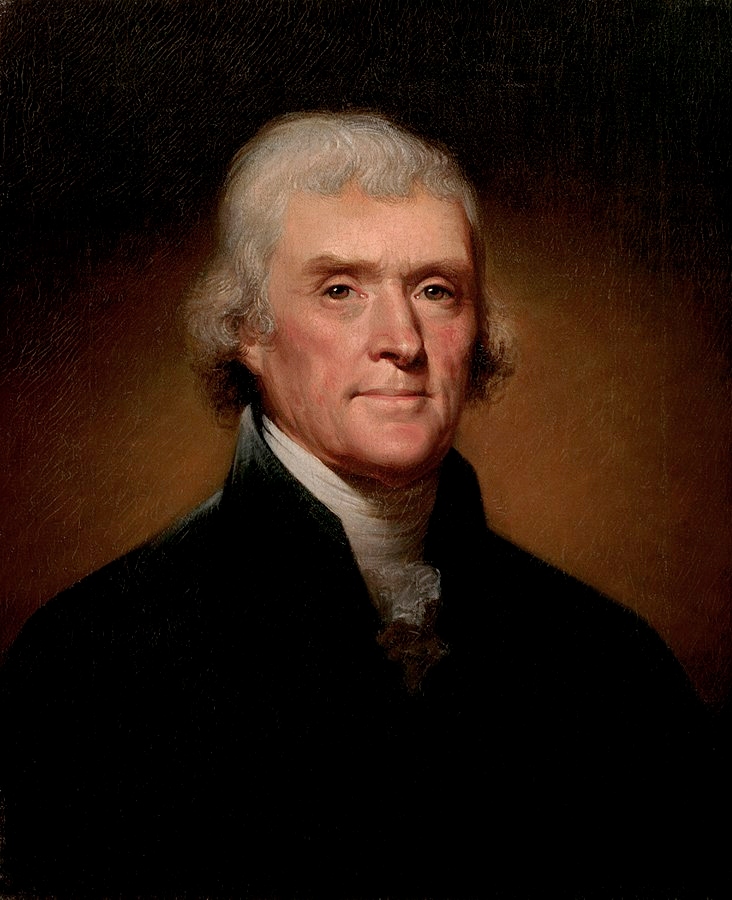
Indirect reception
The principal drafter of the Declaration and third president of the United States, Thomas Jefferson explained its intellectual horizon in his letter to Henry Lee of 8 May 1825. The Declaration, he wrote, expressed shared convictions in a form appropriate to the occasion.
Jefferson lists Aristotle, Cicero, Locke and Sidney among authorities of public right. The letter belongs to the Thomas Jefferson Papers at the Library of Congress and is edited in Founders Online. Locke and Sidney had themselves engaged with Filmer’s patriarchalism, a controversy involving Suárez and Bellarmine. This sequence permits the study of indirect reception across European and American debates.
Works and references
Thomas Jefferson → Henry Lee, Monticello, 8 May 1825, Thomas Jefferson Papers, Library of Congress; Founders Online. Algernon Sidney, Discourses Concerning Government, II, §5.
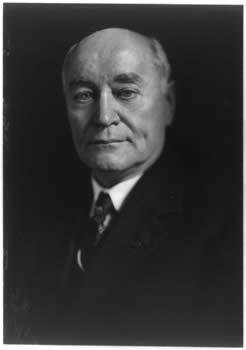
Historiography
American jurist and historian James Brown Scott helped recover Spanish theologians and jurists for twentieth-century debates on international law. The Spanish Origin of International Law (1934) places Francisco de Vitoria at the centre of a genealogy of relations among political communities, war and the rights of peoples.
His reading of De Indis and De iure belli addresses conquest, legitimate titles and limits on warfare. This is an explicit historiographical reception: Scott reconstructs a tradition and connects sixteenth-century Salamanca with modern discussions of the legal foundations of international relations.
Works and references
James Brown Scott, The Spanish Origin of International Law: Francisco de Vitoria and His Law of Nations, Oxford, Clarendon Press (1934). Francisco de Vitoria, De Indis; De iure belli (1539).
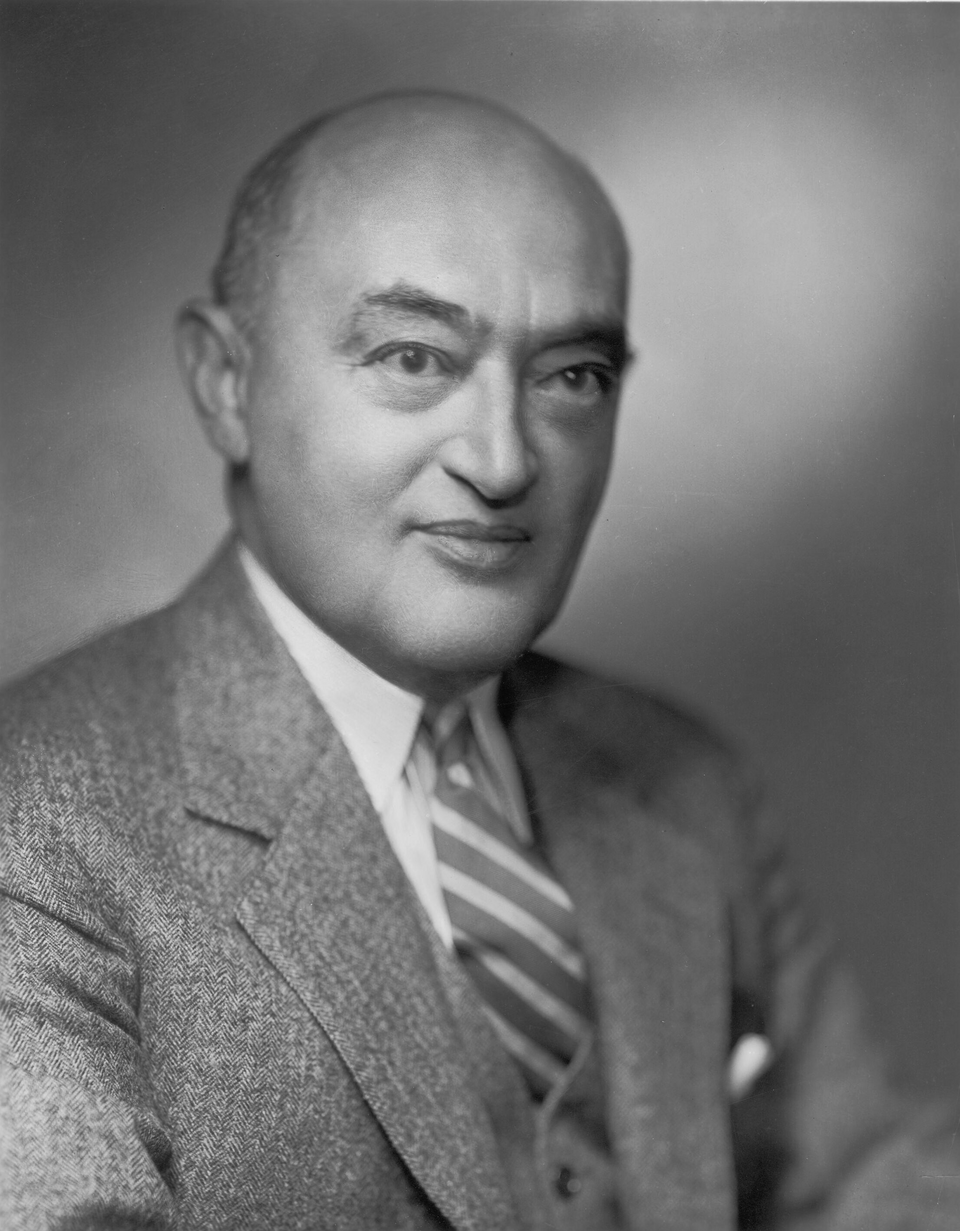
History of economic analysis
Economist Joseph Schumpeter’s posthumous History of Economic Analysis (1954), edited by Elizabeth Boody Schumpeter, extends the history of the discipline beyond the conventional starting point of Adam Smith.
Its treatment of scholastic doctors and natural-law philosophers identifies analysis of prices, money, interest and contracts within moral theology. The connection with Mercado and other scholastics is historiographical: religious and legal texts also contain economic explanations. Their recovery broadens the canon and the boundaries between economics, law and moral philosophy.
Works and references
Joseph A. Schumpeter, History of Economic Analysis, Elizabeth Boody Schumpeter (ed.), 1954, II, ch. 2, “The Scholastic Doctors and the Philosophers of Natural Law”.
Legal study and reception
German jurist Heinrich Rommen developed part of his academic career in the Anglo-American world, ultimately teaching at Georgetown. Die ewige Wiederkehr des Naturrechts (1936), translated as The Natural Law, examines the history and philosophical foundations of natural law.
Rommen distinguishes classical and scholastic natural law from modern natural-rights doctrines. His engagement with Suárez concerns authority and the relationship between law and moral order. This reception carries scholastic questions into twentieth-century jurisprudence, distinguishing the legality of a decision from its justice.
Works and references
Heinrich A. Rommen, Die ewige Wiederkehr des Naturrechts (1936); The Natural Law: A Study in Legal and Social History and Philosophy, Thomas R. Hanley (1947), Liberty Fund (1998).
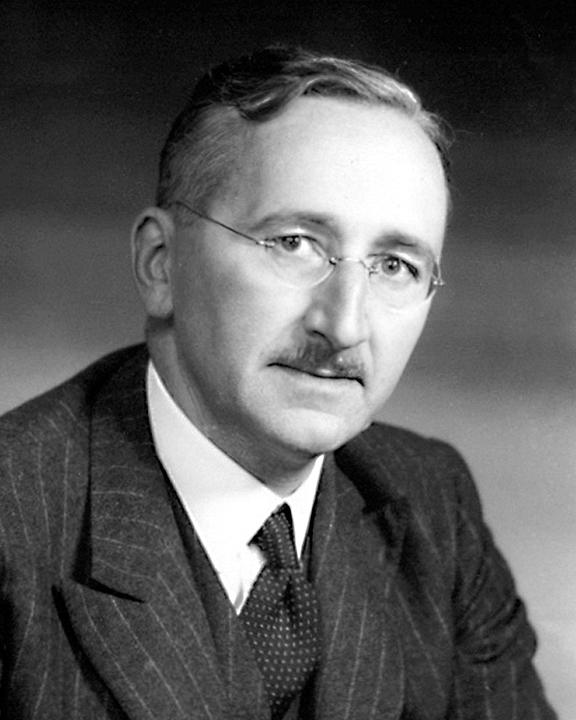
Modern recovery
Austrian-born economist Friedrich A. Hayek, active in British and American academic life, studied social coordination, knowledge and the limits of planning. His interest in intellectual history also encompassed Spanish scholastic economics.
In a letter to Joaquín Reig dated 7 January 1979, Hayek proposed a Salamanca meeting on the Spanish origins of economic liberalism and recommended Marjorie Grice-Hutchinson and Murray Rothbard. This explicit recognition connects modern scholarship with Azpilcueta and the Salamanca tradition, especially their discussions of money and markets.
Works and references
Friedrich A. Hayek → Joaquín Reig, Freiburg, 7 January 1979. Marjorie Grice-Hutchinson, The School of Salamanca (1952).
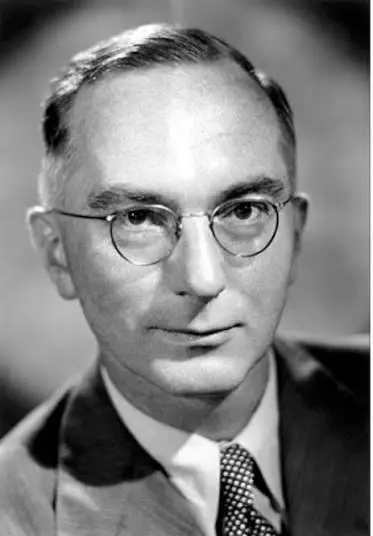
Affinity · order and limits on power
A political philosopher educated in central Europe who pursued a career in the United States, Eric Voegelin studied the religious and philosophical experiences through which societies understand their order. The New Science of Politics (1952) and Order and History investigate its symbols and foundations.
Comparison with Suárez concerns community, authority and a moral horizon that political power cannot create at will. Voegelin approaches these questions through experience and the history of consciousness. The affinity opens a conversation about the person, truth and the good across distinct philosophical languages.
Works and references
Eric Voegelin, The New Science of Politics: An Introduction, University of Chicago Press (1952); Order and History (1956–1987). Eric Voegelin Institute, Louisiana State University.
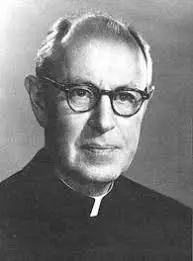
Later theological debate
American Jesuit theologian John Courtney Murray addressed religious liberty, civil authority and Church–State relations. In “Governmental Repression of Heresy” (1948), he explicitly examines Bellarmine’s theory of indirect power alongside John of Paris.
Murray investigates the political consequences of these theories and the historical understanding of governmental authority over religious dissent. This documented theological debate shows an early modern controversy being reconsidered in the twentieth century through questions of liberty, jurisdiction and religious pluralism.
Works and references
John Courtney Murray, “Governmental Repression of Heresy”, Proceedings of the Catholic Theological Society of America, 3 (1948), pp. 26–98. John Courtney Murray Archive, Georgetown University Library, “Bellarmine’s Theory of the Indirect Power”.
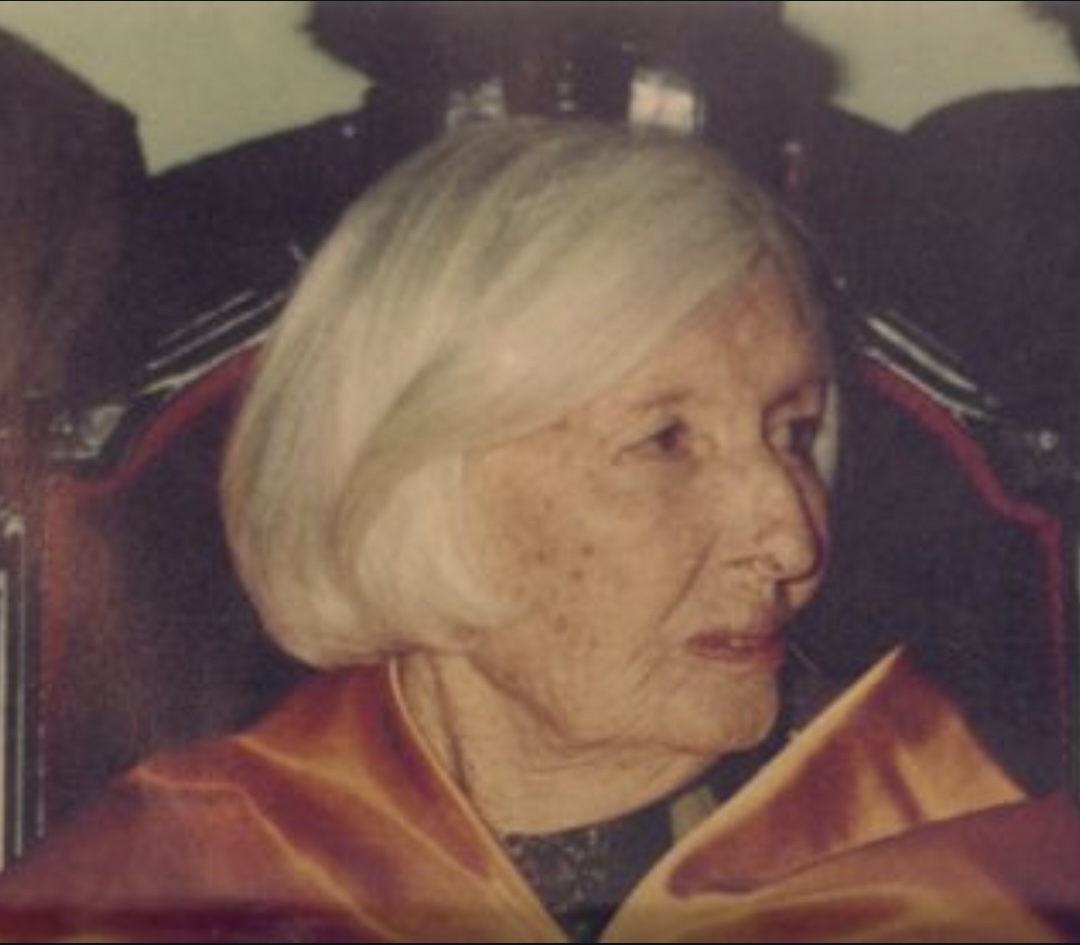
Historiography
British historian Marjorie Grice-Hutchinson helped recover Spanish writings on money, prices and exchange, combining historical research with translations that opened this corpus to English-language readers.
The School of Salamanca: Readings in Spanish Monetary Theory, 1544–1605 (1952) includes materials for understanding Azpilcueta’s relationship between monetary abundance and purchasing power. Her contribution supplies texts and a reading itinerary for subsequent economic historians. Hayek explicitly recommended her work in his 1979 letter to Joaquín Reig.
Works and references
Marjorie Grice-Hutchinson, The School of Salamanca: Readings in Spanish Monetary Theory, 1544–1605, Oxford, Clarendon Press (1952). Martín de Azpilcueta, Comentario resolutorio de cambios (1556). Hayek → Joaquín Reig, 7 January 1979.
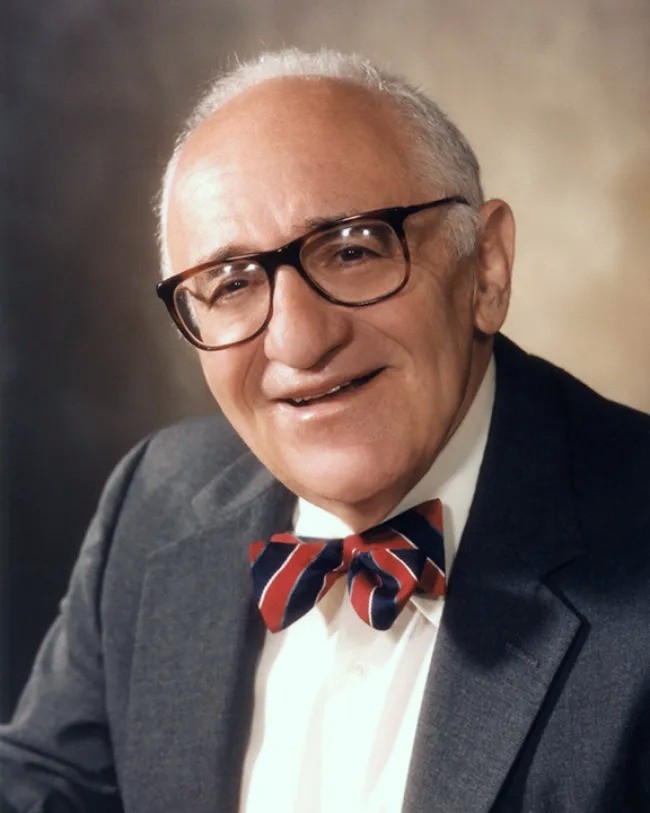
Later interpretation
American economist Murray Rothbard incorporated Spanish scholastics into his reconstruction of economic thought before Adam Smith, emphasising property, exchange, money and limits on political power.
In Economic Thought Before Adam Smith (1995), he examines Mariana’s criticism of monetary debasement alongside consent and rulers’ appropriation of resources. This is a later reception from Austrian economics and libertarian thought. Hayek recommended Rothbard’s “New Light on the Prehistory of the Austrian School” in 1979.
Works and references
Murray N. Rothbard, Economic Thought Before Adam Smith, I, Edward Elgar (1995), “The Learned Extremist: Juan de Mariana”; “New Light on the Prehistory of the Austrian School”, Edwin G. Dolan (ed.), The Foundations of Modern Austrian Economics (1976).
John Adams
Adams read and cited Juan de Mariana, incorporating him into his constitutional reflection alongside the English republican tradition. Through these readings, Adams assumed the superiority of natural law over arbitrary power, incorporating into American thought the idea of a fiduciary power, limited and subordinated to the common good, typical of Iberian scholasticism.
Thomas Jefferson
Jefferson showed a sustained interest in Hispanic culture: he acquired and read Don Quixote. During his diplomatic stay in Europe, he expanded his political library—including works by Juan de Mariana—and also took interest in Juan de Palafox y Mendoza. In Jefferson's library, there is a look toward Spain not only literary but also political, connecting natural law, human dignity, and the limitation of power with American republicanism.
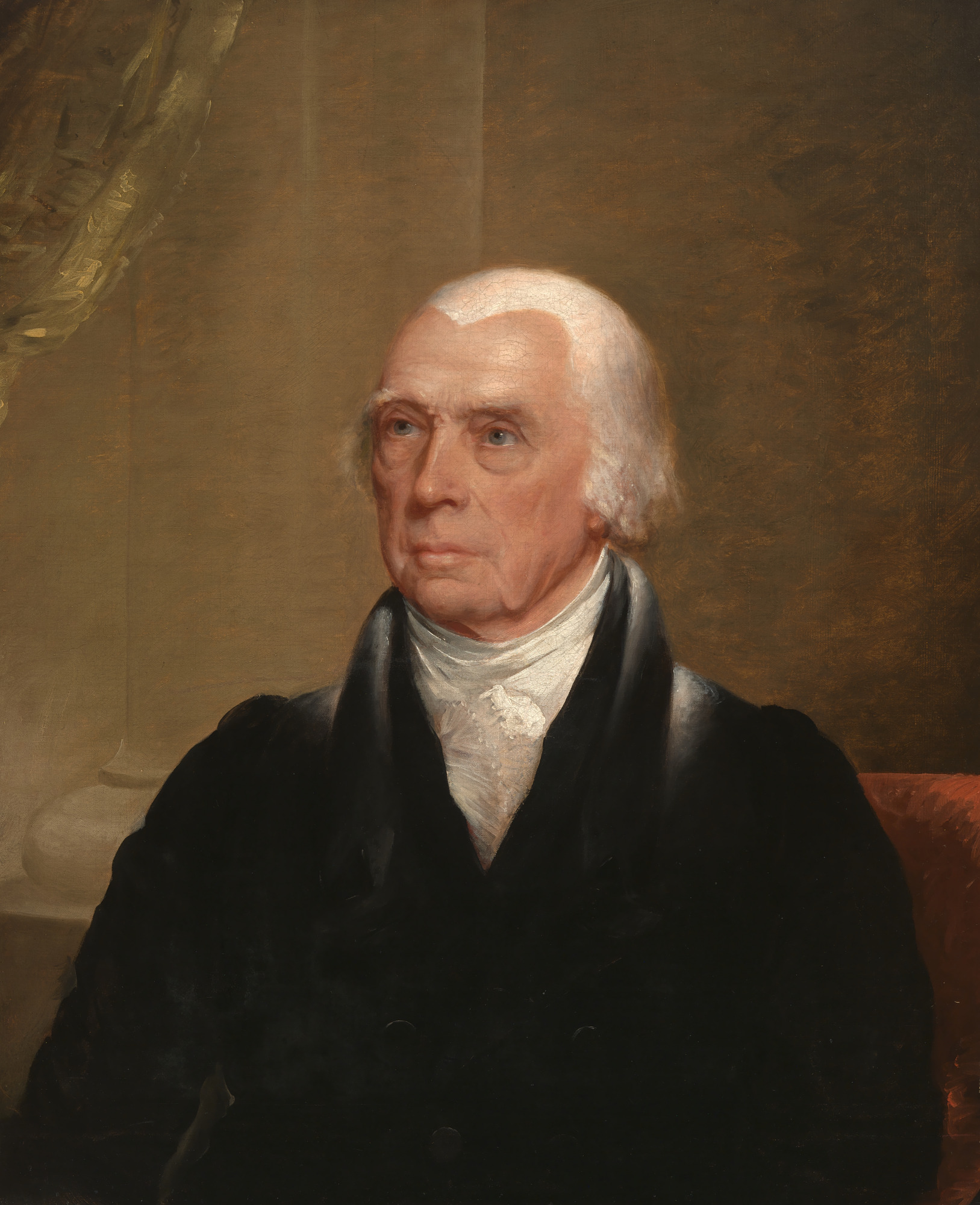
James Madison
In The Federalist Papers, Madison develops the idea that sovereignty resides in the people but must be exercised through institutions that channel and limit political power. His defense of representative government reproduces—although without explicit citation—the scholastic tradition of a prudential mixed order. The Constitution appears as the stable institutional form of popular sovereignty, an indirect heir to Iberian political theory.
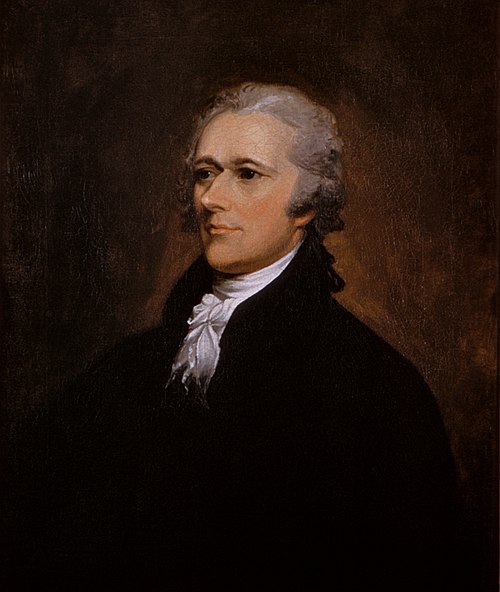
Alexander Hamilton
In the Report on Public Credit (1790) and the Report on a National Bank (1790), Hamilton links monetary stability, public trust, and political liberty. This concern connects with Juan de Mariana's critique in De Monetae Mutatione (1609), where currency manipulation is described as a hidden tax contrary to political consent. The economic architecture of the young republic incorporated debates originated two centuries earlier in Iberian moral theory.

"FOR SPAIN AND FOR THE KING" - AUGUSTO FERRER-DALMAU
The painting portrays a battle scene during the American Revolutionary War, highlighting Spanish participation.

"SISTER FLAGS" - AUGUSTO FERRER-DALMAU
This painting shows two majestic ships, one Spanish and one American, sailing together.
