Echo of Salamanca
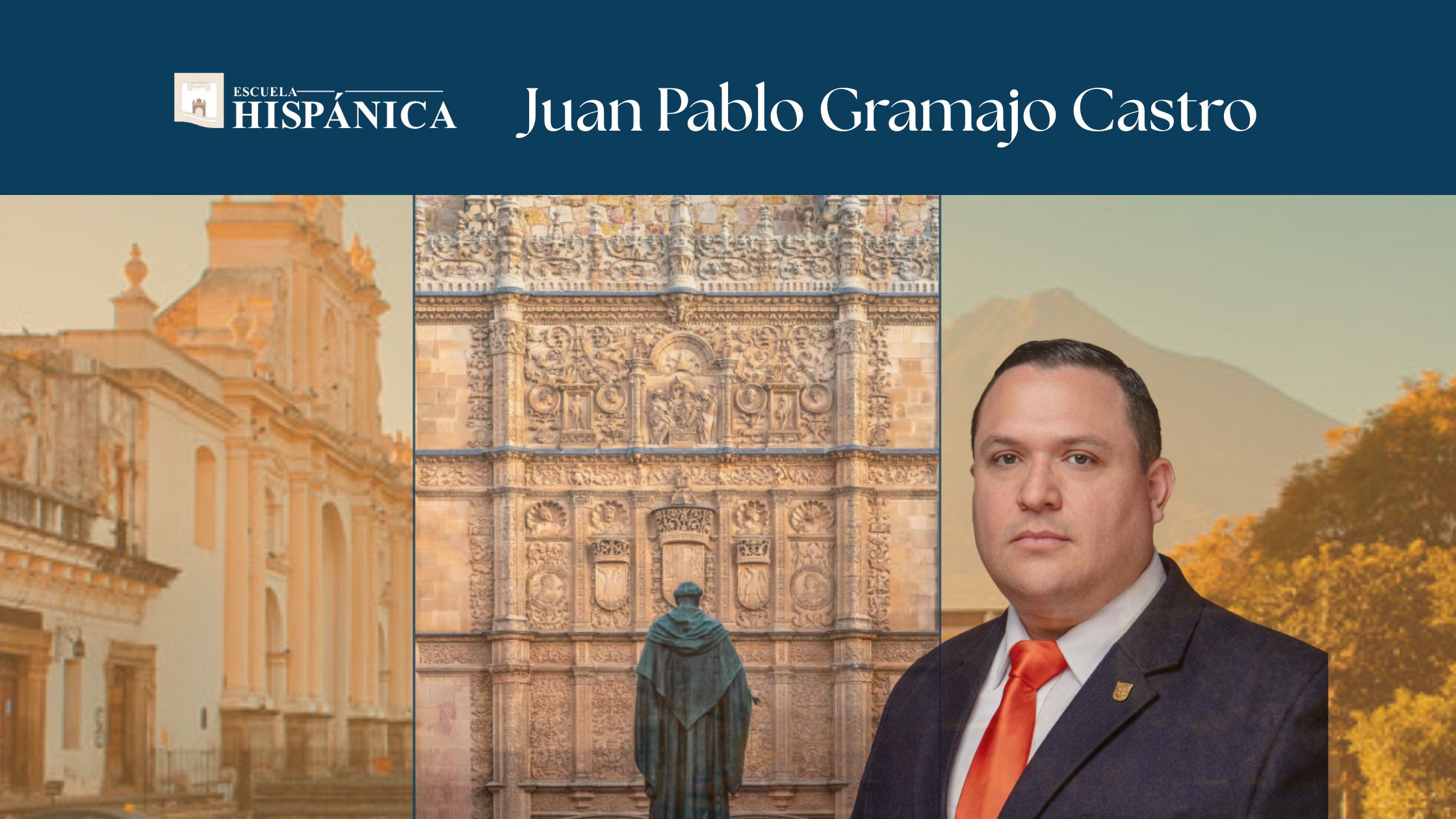
From the “Echo of Salamanca” colloquium (Antigua, Guatemala), three takeaways: the primacy of attitude and method, the Catholic et-et synthesis, and cultural openness grounded in human dignity.
The Escuela Hispánica was founded with the purpose of disseminating and deepening knowledge of the Spanish language, its history, and its manifold influences across the Ibero-American world. We believe that understanding the Hispanic legacy is essential for a more insightful interpretation of our present and for shaping a shared future.
From an academic and cultural perspective, we provide a space where teaching, research, and reflection converge. Our community brings together students, scholars, and educators committed both to rigorous study and to the accessible dissemination of knowledge.
The Escuela is, ultimately, a bridge between tradition and modernity, between Spain and Ibero-America, and between shared memory and new generations.
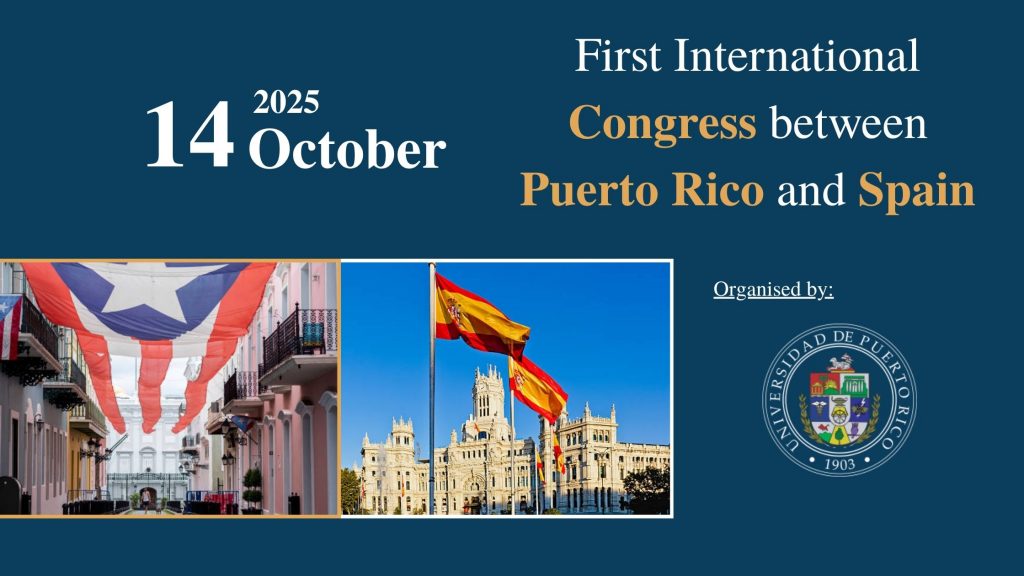
October 14, 2025
Escuela Hispánica at the First Puerto Rico-Spain International Congress: exploring the influence of the School of Salamanca, Hispanic heritage, and the impact of Spanish culture and education on Puerto Rico and Ibero-American countries.
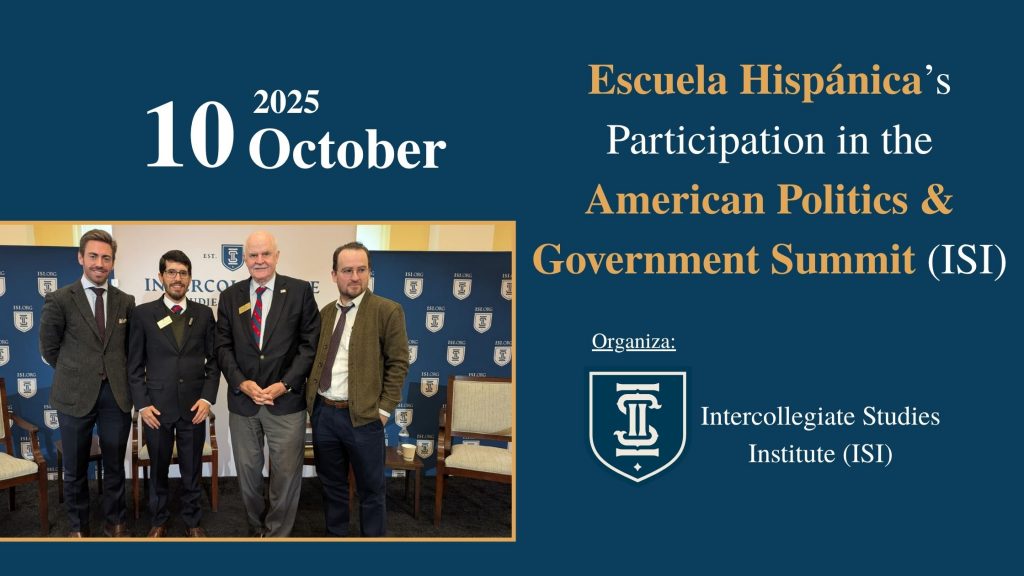
October 10, 2025
During the American Politics & Government Summit organised by the Intercollegiate Studies Institute (ISI), members of Escuela Hispánica —Alex Chafuen, Juan Ángel Soto, Enrique Pallarés, and José Sáenz Crespo— examined the Hispanic roots of moral economy and ordered liberty. Engaging with the Anglo-liberal tradition, they highlighted the Spanish Scholastic contribution to the idea of ordered freedom, the centrality of the human person, and the moral foundations of political order.

From the “Echo of Salamanca” colloquium (Antigua, Guatemala), three takeaways: the primacy of attitude and method, the Catholic et-et synthesis, and cultural openness grounded in human dignity.

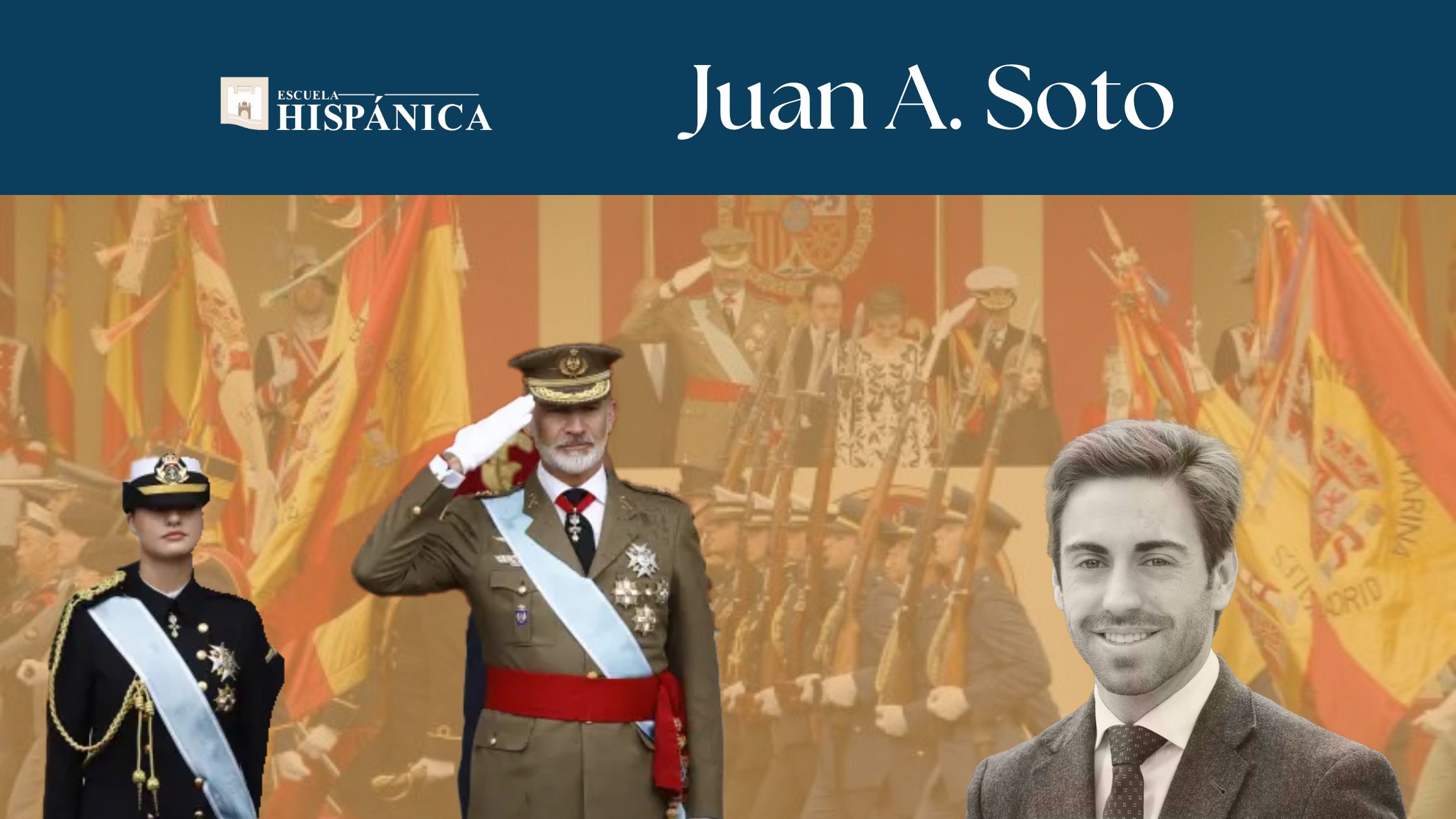
Hispanic America versus Latin America: a historical and cultural review of the term reveals how Spain and Portugal shaped the region’s identity. This analysis challenges the inaccuracy of “Latin America” and proposes Hispanic America and Ibero-America as alternatives that faithfully reflect the Spanish and Portuguese legacy, strengthening cultural unity and transatlantic ties.
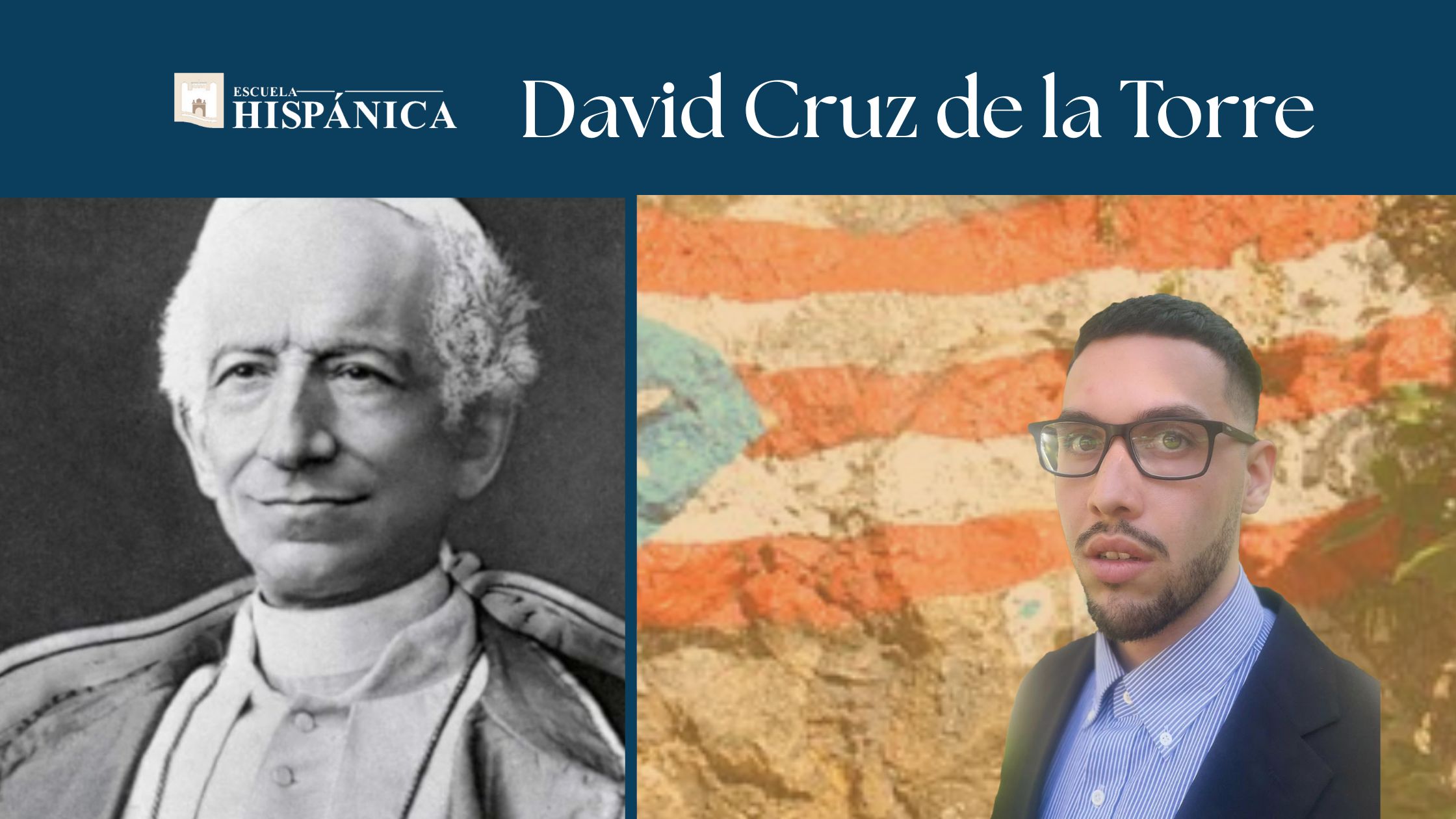
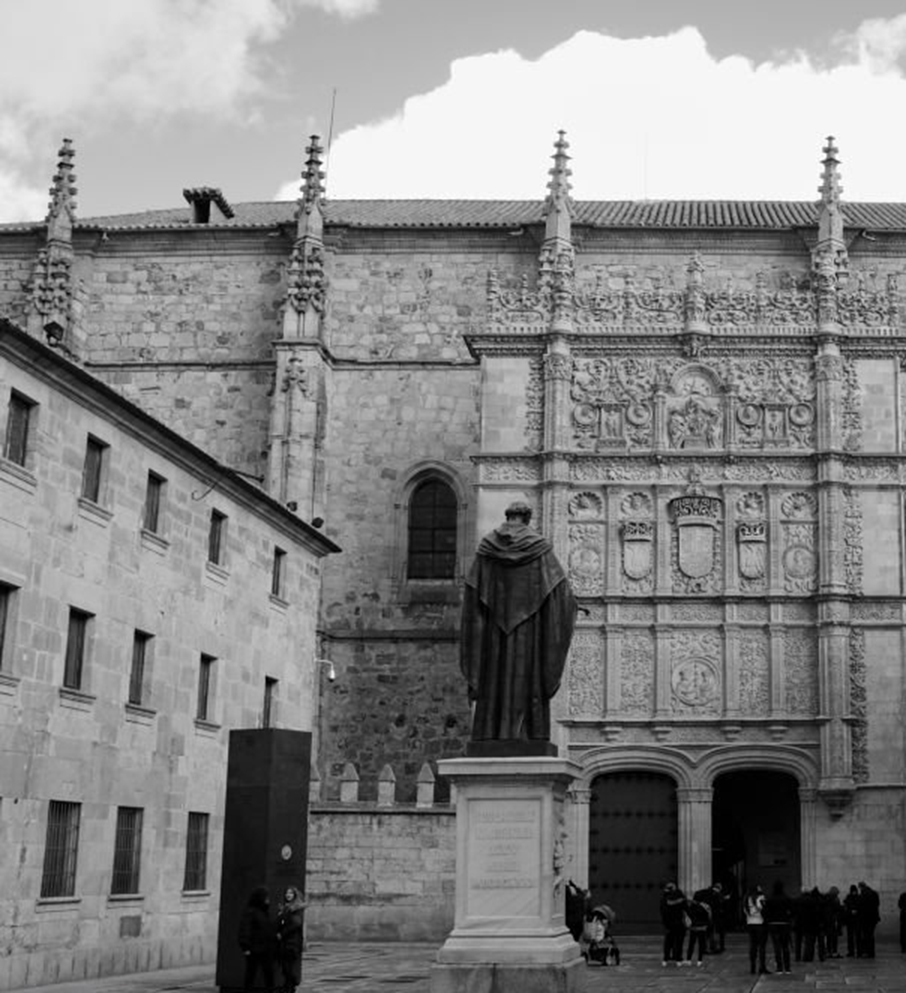
Explore the historical ties between Puerto Rico and the School of Salamanca. From the legacy of Pope Leo XIII to the influence on higher education and the island’s Hispanic identity, this article examines how the principles of liberty and natural law shaped Puerto Rico’s culture, economy, and politics, with enduring relevance today.
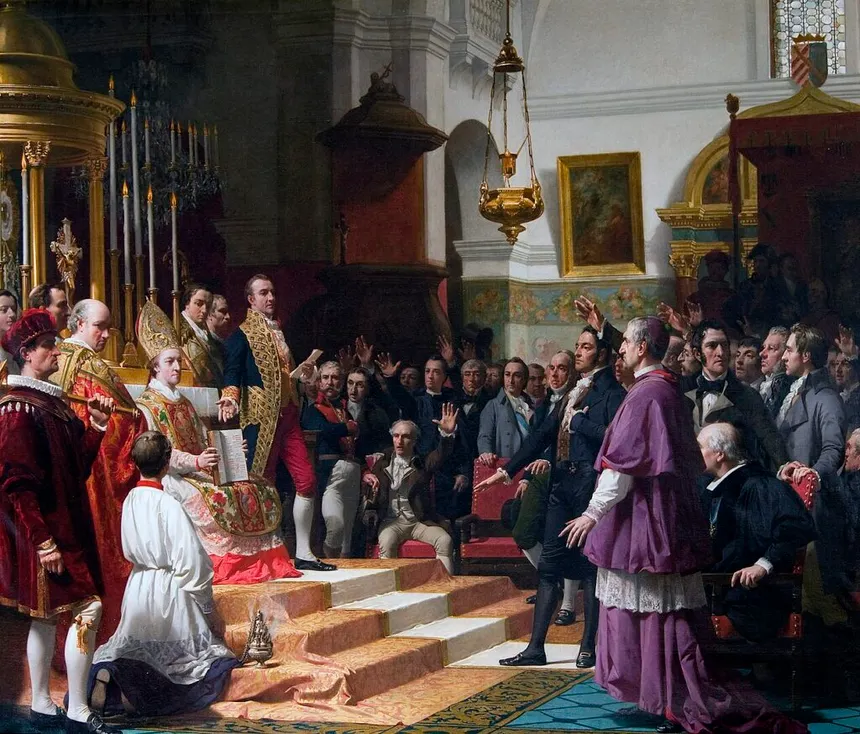
Those of us from Spain, Portugal, and Ibero-America who share a humanist vision have long stood united in defence of liberty and the progress of our peoples. In particular, we have opposed communism, which has long been a profound threat to our civilisation.
Yet the defence of freedom, life, and human dignity—and the pursuit of the flourishing of our civilisation—must rest on firmer foundations. Foundations not defined merely by opposition to a common adversary, but rooted in all that we hold in common.
History, tradition, and faith are among these pillars, as is a rich lineage of political thought which, while neither linear nor uninterrupted, we seek to explore and revitalise, so that this heritage may actively serve our societies and political life today.
It is an intellectual legacy of which the peoples of Portugal, Spain, and Ibero-America are heirs—immense in value, yet too often overlooked, eclipsed by the dominance of Anglo-Saxon traditions and the enduring impact of the so-called Black Legend, which has caused much division and misunderstanding.
At Escuela Hispánica, we believe that knowledge is enriched when it is shared. Our community brings together students, educators, researchers, and collaborators from diverse disciplines and countries, all united by a common interest in the Spanish language, history, and culture.
Participation in Escuela Hispánica means not only accessing courses and activities, but also engaging in projects, debates, and events that foster ongoing dialogue between Spain and Ibero-America. Each member brings a unique perspective that strengthens collective learning and the dissemination of the Hispanic legacy.
Join us and contribute to a vibrant, committed community that is open to new ideas and cultural connections.